
Dementia
Older adults with three or more social activities kept sharper memory, large study finds
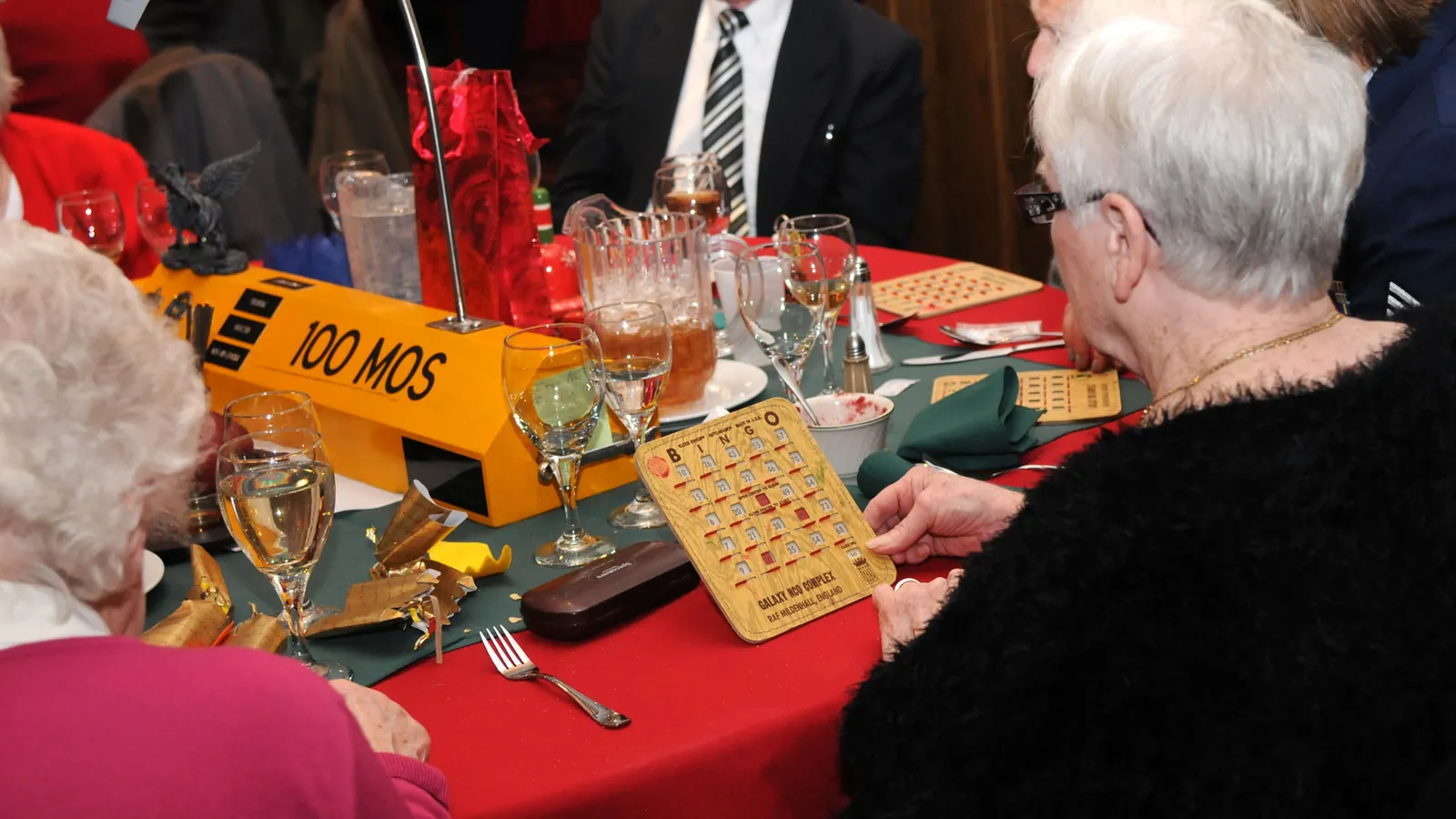
A study of nearly 58,000 adults in 24 countries, including the U.S., found people with a mix of regular social activities, especially volunteering and clubs, scored higher on memory and thinking over about six years.
Key facts
- A study of nearly 58,000 adults linked three or more social activities with better memory and thinking over six years.
- Volunteering and clubs showed the most consistent links.
What happened
Researchers analyzed 57,793 middle-aged and older adults from five national aging studies, including the U.S. Health and Retirement Study and surveys in England, Europe, China and Mexico, Nursing Times reported on October 26. Participants were followed for about six years. The findings were published in the Journal of Epidemiology & Community Health by researchers from Shandong University and Guangdong Medical University.
People who took part in more kinds of social activity had higher scores on memory and thinking tests, with the strongest link among those doing three or more. Volunteering and membership in a sports or social club were linked with slower decline in all five groups. Taking a class and caring for grandchildren were also linked with higher scores, while political, community and religious groups showed no consistent pattern. The links were stronger in women, people over 60 and people with more education. Because the study is observational, it cannot prove that the activities caused the difference.
What it means for families
Variety may matter. A parent who goes out once a week to one activity may benefit from adding two more regular commitments.
For example: a widowed father who stopped going out after his wife died could start with a weekly volunteer shift, add a senior center exercise class and join a card club, with a family member driving the first few times.
What this means in New York: county offices for the aging list senior centers, volunteer programs and classes, and many are free or low cost.
What to do this week
- Ask a parent which activities they used to enjoy and pick one to restart.
- Look up senior center and volunteer programs through the local office for the aging.
- Help with transportation for the first few visits.
Sources
More from Home care
- Medicare will pay to train family caregivers, but few families have used it
- CMS moves to add California to home health claims review as enrollment freeze nears Nov. 13 end
- Aide shortages and Medicaid cuts are pushing more home care onto families, think tank says