
Dementia
An extra year of school led to fewer dementia diagnoses decades later in a large UK study, NIH says
A 1972 law that kept UK teens in school until 16 created a natural experiment. People at higher genetic risk benefited most, more evidence that dementia risk is not set by genes alone.
Key facts
- An NIH-funded study found an extra year of school reduced later dementia diagnoses in the UK.
- The benefit was strongest for people at higher genetic risk.
- The oldest participants were only 65, so the long-term effect is still being measured.
What happened
A study funded by the National Institutes of Health and published October 23 in the Proceedings of the National Academy of Sciences offers perhaps the strongest evidence yet that education itself can lower dementia risk, NIH said. Researchers at the University of Wisconsin–Madison and the University of Southern California led the work.
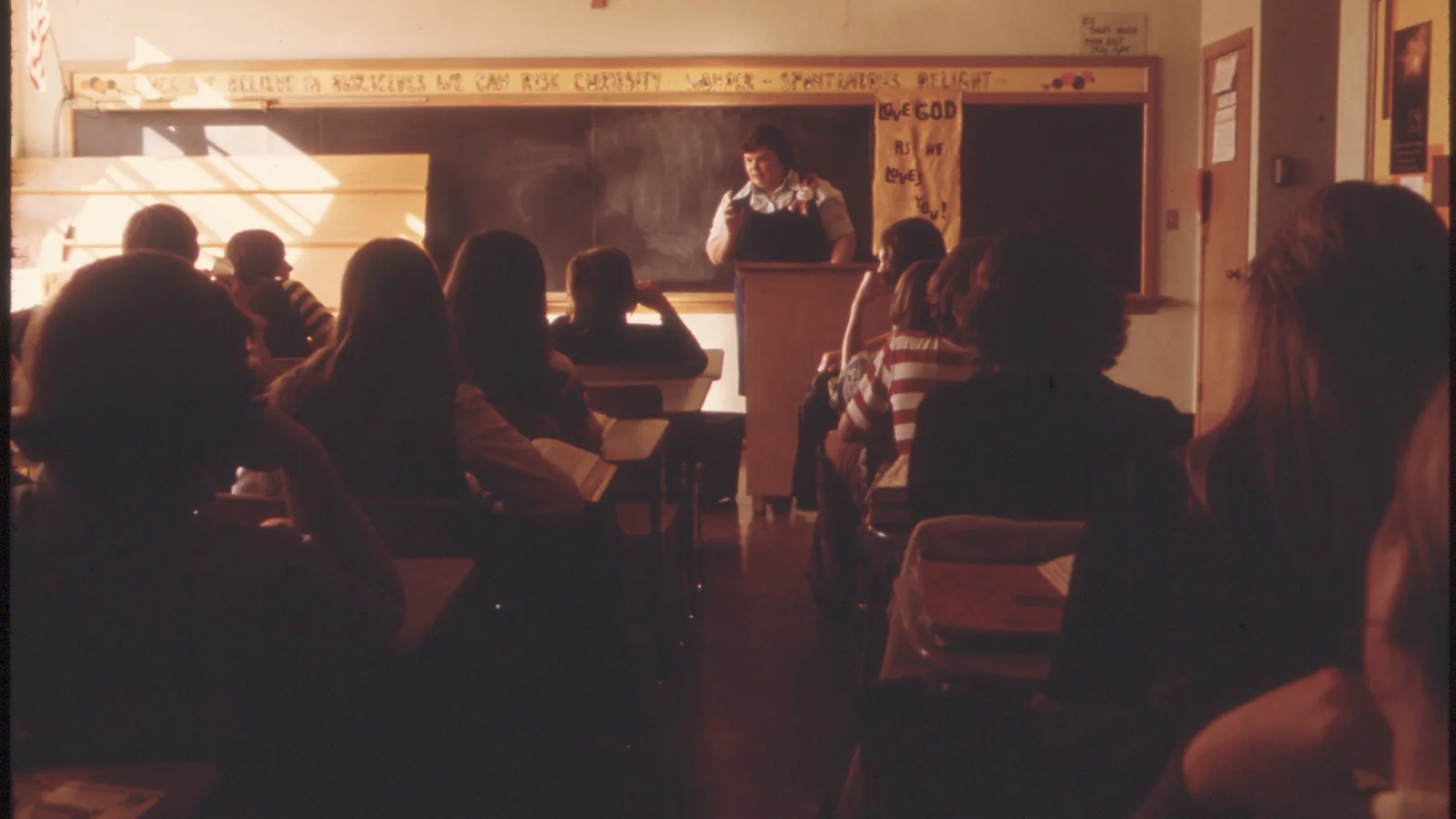
In 1972, England, Wales and Scotland raised the minimum school-leaving age from 15 to 16 for students born after September 1, 1957. The change increased the number of students staying in school until 16 by 14%. The researchers compared people on either side of that cutoff using records for more than 100,000 UK Biobank participants, drawing diagnoses from medical histories, hospital records and death registries.
The extra year of school reduced Alzheimer's and related dementia diagnoses over the following 50 years by 0.88%, which NIH called a considerably large effect because dementia rates in the group were low. The benefit was strongest for people carrying genetic variants linked to higher risk. The authors urged caution: the oldest participants were only 65 when diagnoses were counted, so the gap could grow or shrink. "There are few preventative options out there so even one could make a world of difference," said lead author Silvia Barcellos of UW–Madison.
What it means for families
No one can go back and add a year of school, and this study is not advice for any one person. What it adds is weight to the idea that dementia risk is shaped by life experience, not just family history. For a family that has watched Alzheimer's run through a grandparent and a parent, that is a hopeful message: genes are not the whole story.
What this means in New York: Families worried about memory changes can call their county office for the aging, which connects caregivers to programs funded through the state's Alzheimer's Caregiver Support Initiative.
What to do this week
- If dementia runs in your family, bring this research to the next doctor visit and ask what is known about lowering risk.
- Write down any memory changes you notice, with dates and examples, before the appointment.
- If it has been more than a year, schedule a Medicare Annual Wellness Visit, which includes a cognitive check.
Sources
More from Home care
- Medicare will pay to train family caregivers, but few families have used it
- CMS moves to add California to home health claims review as enrollment freeze nears Nov. 13 end
- Aide shortages and Medicaid cuts are pushing more home care onto families, think tank says