
Home care
Private equity now controls half of New York home care, and workers report low pay and long hours, Cornell study says
Researchers who studied five agencies found low wages, unpaid time and unsustainable hours, and recommend a state task force; families may notice the effects as aide turnover and missed shifts.
Key facts
- A Cornell University ILR School study reported on October 6 found private equity firms controlled about half of New York's home care sector in 2025.
- Private equity acquisitions in home care have totaled about $70 billion nationally since 2020, the researchers said, and private equity-owned agencies in New York took in about $2.32 billion in Medicaid revenue in 2022.
What happened
A Cornell University ILR School study reported on October 6 found private equity firms controlled about half of New York's home care sector in 2025. Private equity acquisitions in home care have totaled about $70 billion nationally since 2020, the researchers said, and private equity-owned agencies in New York took in about $2.32 billion in Medicaid revenue in 2022.
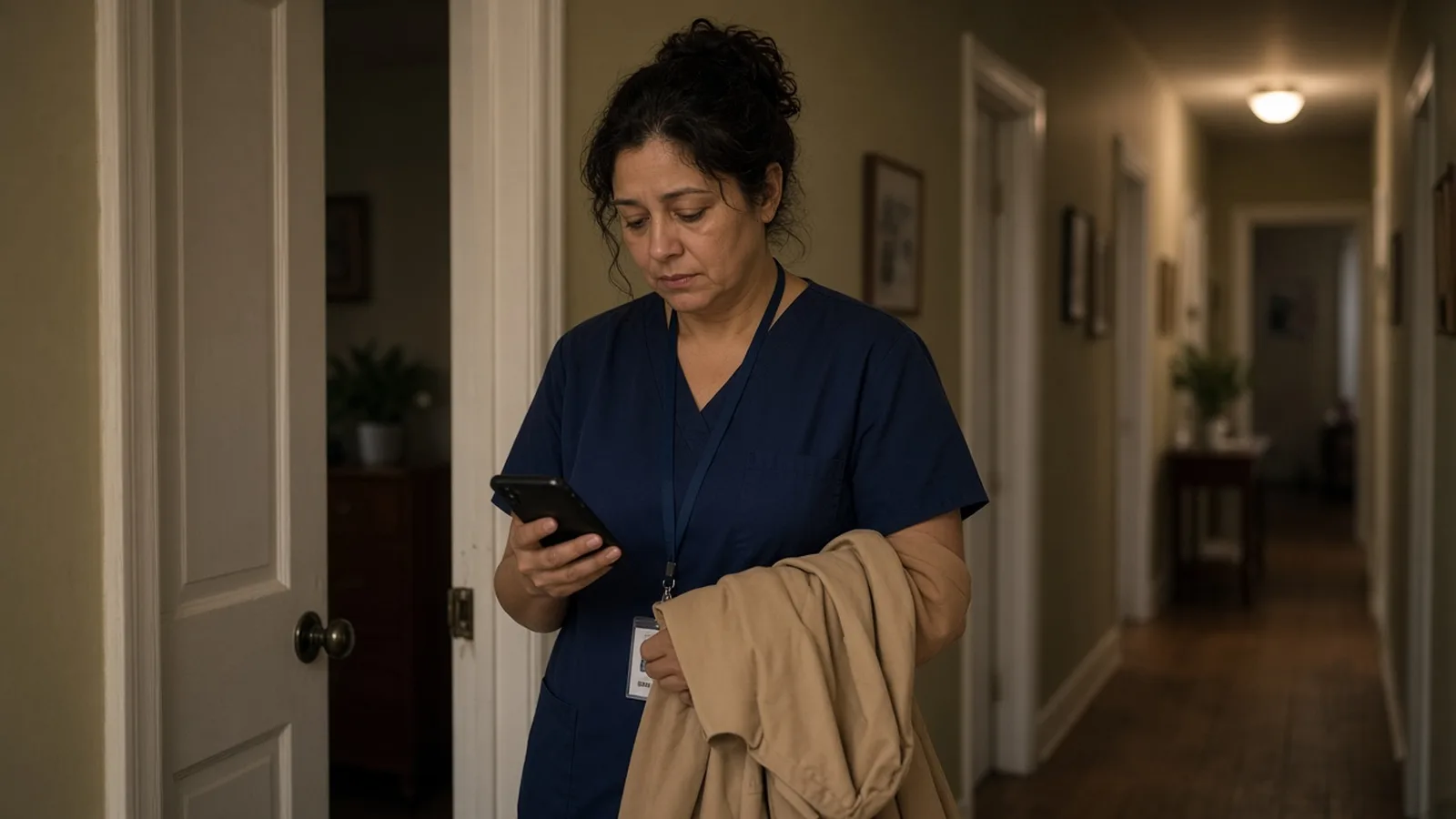
Researchers interviewed workers at five agencies. They described low wages, unpaid wages, unsustainable hours and limited support from managers. The report recommends that New York create a task force to examine ownership and working conditions in home care. The study does not find that any specific agency broke the law.
What it means for families
Aide turnover is one of the biggest problems families report with home care. Working conditions affect whether the same aide keeps showing up.
For example: a family whose mother has had four different aides in two months might ask the agency who owns it, how aides are scheduled, and what happens when an aide calls out.
Ownership alone does not tell you quality. Ask direct questions and track missed visits.
Workers who feel overextended are more likely to leave, and every new aide has to learn a client's routine from scratch, which is hardest on people with dementia.
What this means in New York: this study is about New York. Agencies are licensed by the Department of Health, and complaints can be filed through its home care hotline.
What to do this week
- Ask your parent's agency how many aides cover each client and how it handles call-outs.
- Keep a simple log of missed or late visits and share it with the agency or managed care plan.
- If problems continue, ask the plan's care manager about changing agencies.
Sources
More from Home care
- Medicare will pay to train family caregivers, but few families have used it
- CMS moves to add California to home health claims review as enrollment freeze nears Nov. 13 end
- Aide shortages and Medicaid cuts are pushing more home care onto families, think tank says