
Caregiving
Unpaid family caregiving is worth about $1 trillion a year, AARP report finds
About 59 million family caregivers provide 49.5 billion hours of care a year, equal to the work of about 24 million full-time employees, AARP's Valuing the Invaluable report says.
Key facts
- AARP released its 2026 Valuing the Invaluable report on March 26.
- It estimates that about 59 million family caregivers provided 49.5 billion hours of unpaid care in a year.
- Valued at $20.41 an hour, that care is worth about $1.01 trillion.
What happened
AARP released its 2026 Valuing the Invaluable report on March 26. It estimates that about 59 million family caregivers provided 49.5 billion hours of unpaid care in a year. Valued at $20.41 an hour, that care is worth about $1.01 trillion.
The hours equal the work of about 24 million full-time employees. AARP said family caregivers help with bathing, meals, medications, transportation, bills and medical tasks, often while working paid jobs, and called for policies such as tax credits, paid leave and respite services.
What it means for families
The number puts a price on what many families do quietly. Caregiving takes time and money, and families who track it are better prepared to ask for help.
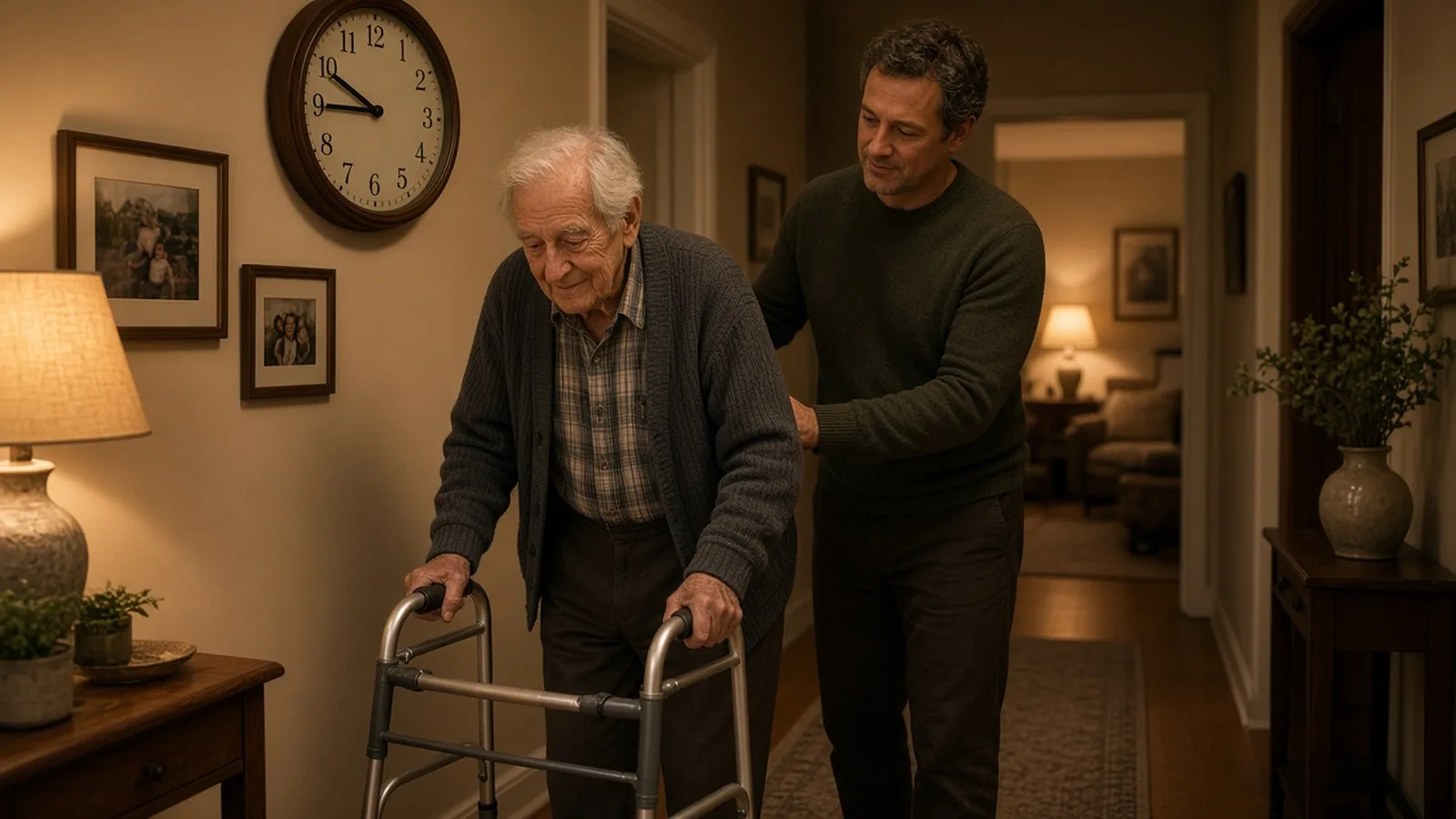
For example: a son who spends 15 hours a week driving his father to appointments and managing his medications is giving the equivalent of a part-time job. Counting those hours can help siblings share the load fairly.
Caregivers who are worn out are more likely to get sick themselves, so respite is not a luxury.
Many caregivers also spend their own money on supplies, rides and home changes. Keeping receipts can matter for tax credits or for repayment if a parent's estate later covers costs.
What this means in New York: New York's NY Connects line, 1-800-342-9871, and local Offices for the Aging can point caregivers to respite and support programs.
What to do this week
- Write down the hours and tasks you spend on care for one week.
- Use that list to talk with siblings or other relatives about sharing tasks.
- Ask your local aging office about respite, caregiver support groups and training.
- Keep receipts for care-related spending in one folder.
Sources
More from Home care
- Medicare will pay to train family caregivers, but few families have used it
- CMS moves to add California to home health claims review as enrollment freeze nears Nov. 13 end
- Aide shortages and Medicaid cuts are pushing more home care onto families, think tank says